

Discover Thai Massage Tokyo Japan: Your Ultimate Guide
 Tokyo, the bustling metropolis of Japan, is renowned for its rich cultural heritage and diverse range of experiences. Among the many offerings in this vibrant city, one experience stands out for its ability to transport you to the heart of Thailand – authentic Thai massage. Known for its therapeutic benefits and unique techniques, Thai massage is a popular choice for those seeking relaxation, rejuvenation, and holistic healing. For an even more relaxing experience, consider adding an oil treatment to your massage, known for its ability to promote relaxation and reduce stress.
In this blog, we will guide you on how to experience authentic Thai massage in Tokyo, the best choice for indulging in this traditional practice. Whether you are a local resident or a traveler visiting the city, Tokyo provides the perfect backdrop to discover the essence of Thai massage. From the amalgamation of tradition and healing to the wide variety of massage types and top-rated spas, Tokyo offers a truly unique Thai massage experience.
So, prepare yourself for a journey of relaxation and well-being as we delve into the world of authentic Thai massage in Tokyo. Discover the benefits, learn about cultural etiquette, and explore the best locations to find your perfect massage spa in this bustling city.
Discover more about Tokyo massage at : Massage Tokyo
Discovering the Essence of Thai Massage in Tokyo
When it comes to traditional massage therapies, Thai massage holds a special place. Originating from ancient Thai healing traditions, this type of massage focuses on aligning the body’s energy lines and promoting overall well-being. In Tokyo, the essence of Thai massage can be discovered in various spas and wellness centers, particularly in the Tokyo Metro area. With its bustling cityscape and vibrant culture, Tokyo provides the perfect setting to experience the therapeutic benefits of Thai massage, making it a must-visit destination for those looking to relax and rejuvenate in the Tokyo area.
The Unique Blend of Tradition and Healing
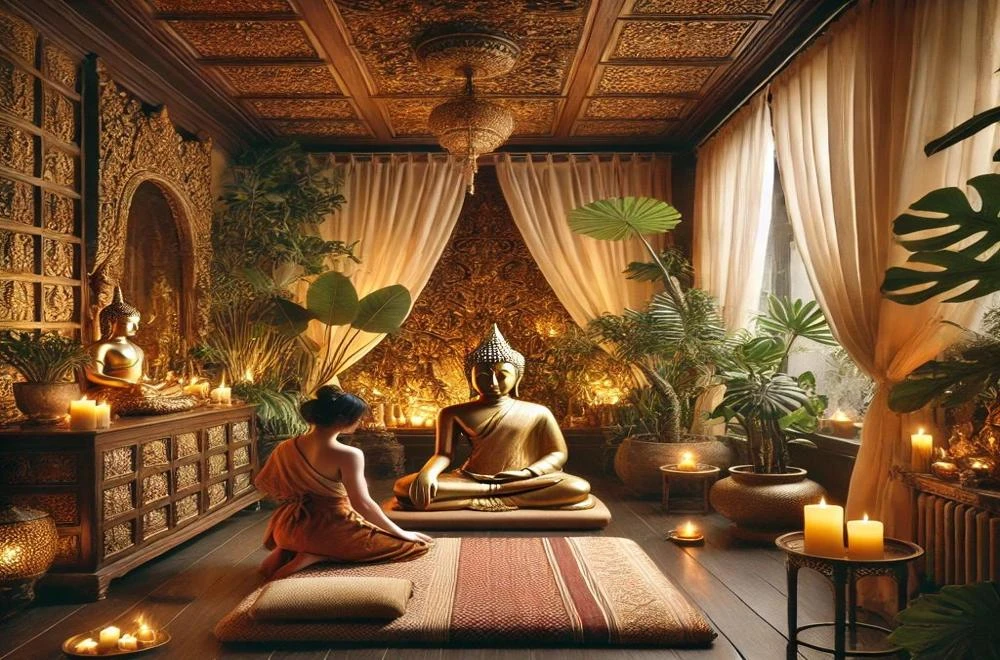
Thai massage is not just a massage, but a unique blend of tradition and healing. It draws inspiration from traditional Thai medical arts that have been passed down through generations. These arts combine a combination of influences from India, China, and indigenous Thai traditions, resulting in a holistic approach to well-being. Rooted in the principles of compassion and healing, Thai massage is deeply connected to the Buddhist tradition and has been practiced for centuries. By incorporating acupressure, stretching, reflexology, herbal medicine, prayer, and meditation, Thai massage aims to tone the muscles, increase joint range of motion, and balance the flow of energy throughout the body.
Why Tokyo Offers a Unique Thai Massage Experience
While Thai massage can be found in various forms today, Tokyo offers a unique Thai massage experience. The city’s vibrant and cosmopolitan atmosphere blends seamlessly with the traditional style of Thai massage, creating a truly exceptional experience. Tokyo’s rich cultural heritage and deep appreciation for wellness make it an ideal destination to explore the benefits of Thai massage.
From traditional Thai massage spas to modern wellness centers, Tokyo provides a diverse range of options for those seeking an authentic Thai massage experience, including easy access via the Hibiya Line at “Tsukiji Station” or “Shintomicho Station.” As you indulge in this ancient practice, you’ll feel the harmonious balance between tradition and innovation, all within the bustling cityscape. Immerse yourself in the world of Thai massage and discover why Tokyo is the perfect destination for this rejuvenating practice.
Preparing for Your Authentic Thai Massage Journey
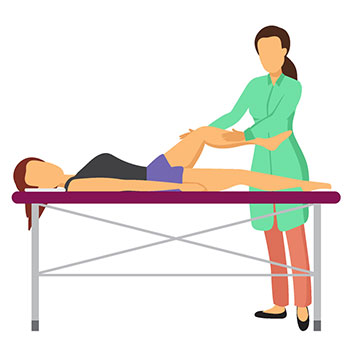 Before embarking on your authentic Thai massage journey, it’s important to prepare yourself for the experience. Thai massage, also known as “Nuat Thai” or “Nuad Phaen Boran,” has a rich history that has been passed down through generations, mostly through oral tradition. This traditional practice, known for its use of stretching and pressure points, requires a certain level of understanding and preparation to fully appreciate its benefits. By knowing the history and techniques of traditional style massage and following essential tips, you can enhance your overall experience and make the most of this ancient healing art.
What to Expect During Your First Thai Massage
During your first Thai massage session, you can expect a unique and invigorating experience. Here’s what to expect:
- Relaxing atmosphere: Thai massage is typically performed in a serene and peaceful environment to promote relaxation and well-being.
- Passive stretching: The therapist will guide your body through a series of passive stretching exercises, helping to improve flexibility and alleviate muscle tension.
- Acupressure points: The therapist will apply pressure to specific acupressure points along the body’s energy lines, promoting the flow of lymph and enhancing lymphatic drainage.
- Deep compression: The therapist may use their hands, elbows, knees, and feet to apply deep compression to muscles and joints, helping to release tension and improve circulation.
- Full-body treatment: Thai massage is a holistic practice that addresses the entire body, from head to toe, to promote balance and harmony within the body’s systems.
By understanding what to expect during your first Thai massage session, you can relax and fully embrace the rejuvenating effects of this ancient healing practice.
Essential Tips to Enhance Your Massage Experience
To enhance your Thai massage experience, consider the following tips:
- Communicate your preferences: Before the session, communicate any specific areas of focus or concerns to the therapist to ensure a personalized experience.
- Hydrate: Drink plenty of water before and after your massage to aid in the removal of waste products from your body.
- Relaxation techniques: Practice deep breathing and mindfulness during the massage to enhance relaxation and promote a deeper connection with your body.
- Follow aftercare instructions: The therapist may provide guidance on post-massage care, such as stretching exercises or self-massage techniques, to maintain the benefits of the session.
- Enjoy the benefits: Take time to appreciate the improved range of motion in your joints and the overall sense of well-being that comes with a Thai massage.
By incorporating these essential tips, you can maximize the benefits of your Thai massage experience and create a lasting sense of relaxation and rejuvenation.
Step-by-Step Guide to Experiencing Thai Massage in Tokyo
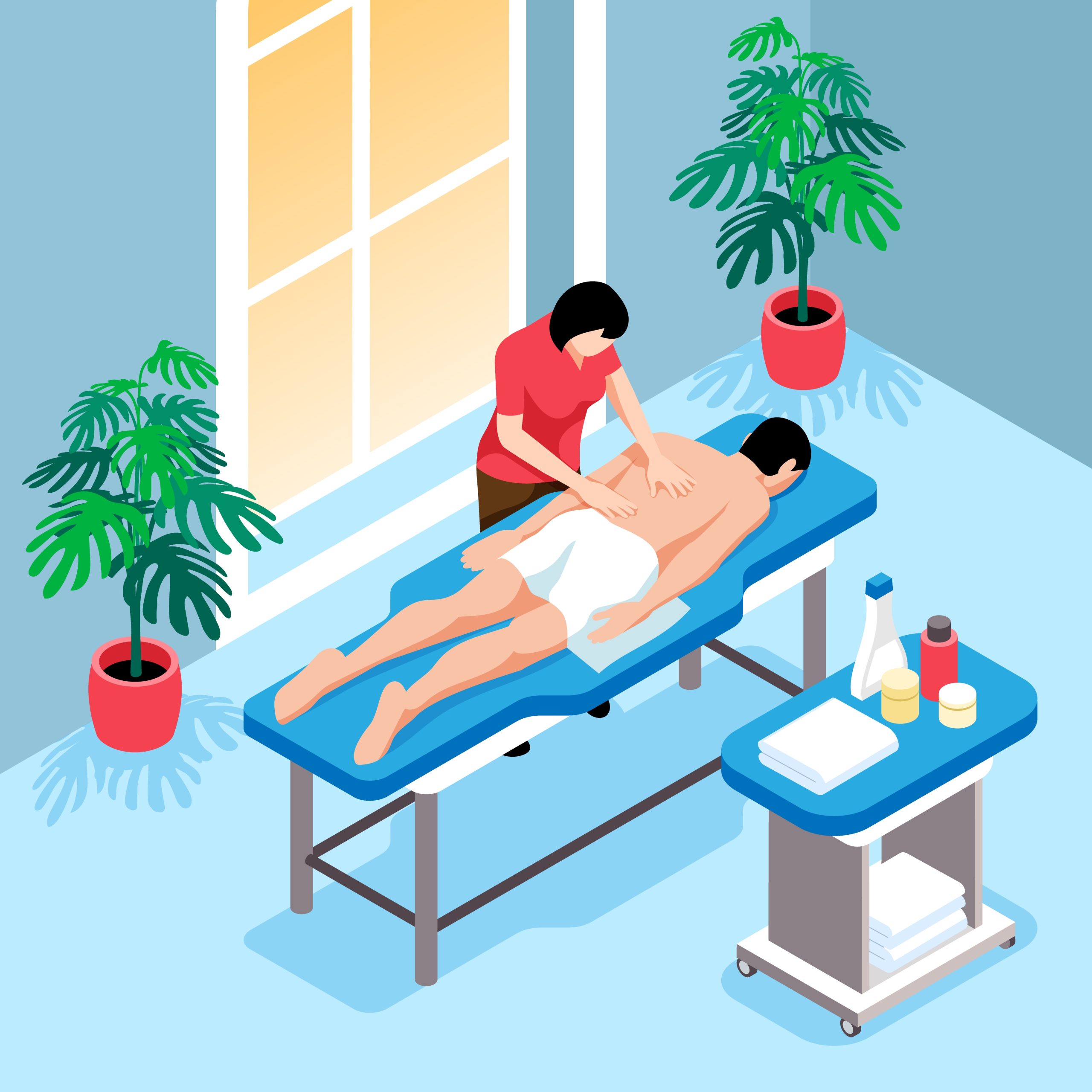 Embarking on your authentic Thai massage journey in Tokyo is an exciting experience. Follow this step-by-step guide to ensure a seamless and enjoyable experience:
- Step 1: Finding the Right Massage Spa – Look for reputable massage spas in Tokyo that specialize in traditional Thai massage, such as Erawan Thai Traditional Massage. These spas are typically located within a short walk from major train stations, making them easily accessible.
- Step 2: Choosing Your Massage Type – Decide on the type of Thai massage that suits your needs, whether it’s a relaxing oil massage or a traditional Thai massage focusing on stretching and acupressure.
- Step 3: Making the Most of Your Session – Arrive at the spa a few minutes early to allow time for relaxation before your session. During the massage, communicate your preferences to the therapist and fully immerse yourself in the experience.
- Step 4: Aftercare and Continuity – After the massage, take time to meditate or relax to prolong the post-massage bliss. Consider incorporating regular Thai massage sessions into your wellness routine for long-term benefits.
By following this step-by-step guide, you can ensure a memorable and rejuvenating Thai massage experience in the heart of Tokyo.
Step 1: Finding the Right Massage Spa
The first step in experiencing authentic Thai massage in Tokyo is to find the right massage spa. Look for reputable spas that specialize in Thai massage and have a strong reputation for quality and authenticity. One such example is Erawan Thai Traditional Massage, which offers a range of traditional Thai massage therapies.
When choosing a massage spa, consider the following factors:
- Reputation: Look for spas with positive reviews and a reputation for providing authentic Thai massage experiences.
- Location: Opt for a spa that is conveniently located, preferably within a short walk from major train stations, to make it easily accessible.
- Services: Check the menu of services offered by the spa to ensure they provide the type of Thai massage you are seeking, whether it’s a relaxing oil massage or a traditional Thai massage that focuses on stretching and acupressure.
By finding the right massage spa, you can set the foundation for a truly authentic Thai massage experience in Tokyo.
Step 2: Choosing Your Massage Type
Once you have found the right massage spa, the next step is to choose the type of Thai massage that suits your needs. Thai massage offers a variety of techniques and styles to cater to individual preferences. Some popular massage types include:
- Traditional Thai Massage: This type of massage incorporates acupressure, stretching, and energy line work to promote relaxation, flexibility, and overall well-being.
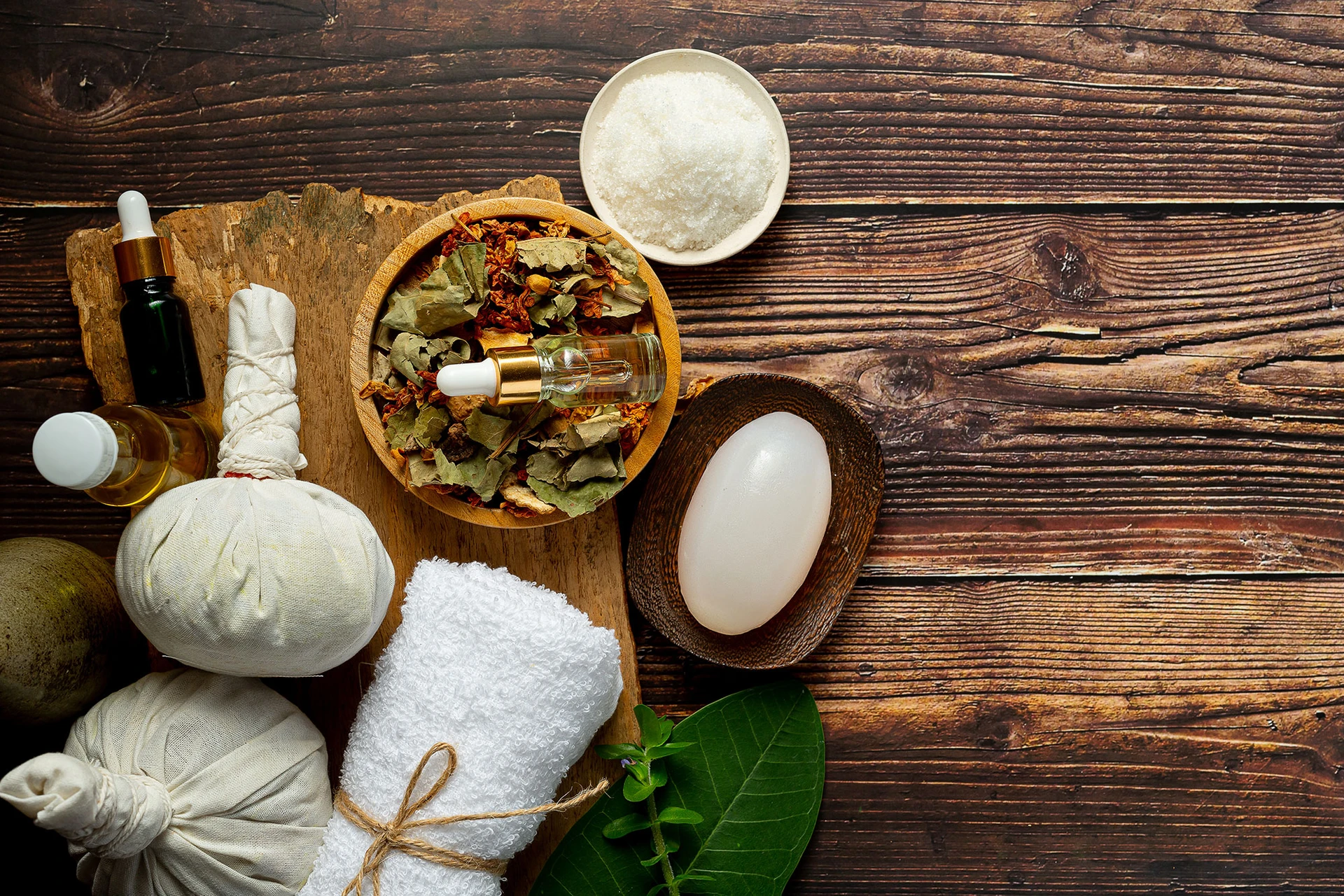
- Oil Massage: An oil massage combines the techniques of Thai massage with the use of aromatic oils, providing a deeply relaxing and rejuvenating experience.
- Reflexology: Reflexology focuses on specific pressure points on the feet, believed to correspond to different organs and systems in the body, promoting healing and balance.
By understanding different massage types and their benefits, you can choose the one that aligns with your goals and preferences, ensuring a personalized and fulfilling Thai massage experience.
Step 3: Making the Most of Your Session
Ensure to communicate any specific preferences or concerns to your therapist before the session begins. Focus on breathing deeply and relaxing to enhance the effects of the massage. Be open to the therapist’s guidance and communicate any discomfort or desired adjustments during the treatment. Immerse yourself fully in the experience, embracing the therapeutic benefits of the traditional Thai massage techniques. Remember to stay hydrated afterward to aid in the removal of toxins released during the massage.
Step 4: Aftercare and Continuity
After your Thai massage session, it’s important to practice aftercare and consider continuity for long-term benefits. Here are some post-massage tips:
- Take time to meditate: Find a quiet space to sit and meditate, allowing yourself to fully absorb the benefits of the massage and promote a sense of calm and relaxation.
- Maintain self-care routines: Incorporate stretching exercises and self-massage into your daily routine to maintain the improved range of motion and flexibility achieved during the massage.
- Consider regular sessions: To experience the full benefits of Thai massage, consider incorporating regular sessions into your wellness routine. This can help address specific concerns and promote overall well-being.
- Explore the lineage: Delve deeper into the lineage and history of Thai massage, which can trace its roots back to India and connect you to a rich tradition of healing and well-being.
By practicing aftercare and considering continuity, you can extend the benefits of your Thai massage experience beyond the session itself.
The Best Locations for Authentic Thai Massage in Tokyo
 In Tokyo, you can find a wide range of locations that offer authentic Thai massage experiences. Whether you’re in the bustling Roppongi district or looking for a serene oasis in the heart of the city, Tokyo has numerous options to choose from.
Some of the best locations for authentic Thai massage include Erawan Thai Traditional Massage & Spa, with three convenient locations in Asakusa, Akasaka, and Roppongi. Check their website for business hours and the most convenient location for you. Other top locations for Thai massage in Tokyo include:
- Roppongi: This vibrant district is home to a variety of Thai massage spas, offering a blend of traditional techniques and modern amenities.
- Erawan Thai Traditional Massage: Located in the heart of Tokyo, Erawan Thai Traditional Massage is a renowned spa known for its authentic Thai massage therapies.
- Aromatherapy Spas: Many spas in Tokyo combine the benefits of Thai massage with aromatherapy, creating a soothing and rejuvenating experience.
By exploring these locations, you can find the perfect spot to indulge in an authentic Thai massage and immerse yourself in the healing traditions of Thailand.
Hidden Gems for an Intimate Experience
If you’re looking for a more intimate and unique Thai massage experience in Tokyo, consider exploring hidden gems that embrace indigenous Thai traditions. These hidden gems offer a deeper connection to the ancient healing practices of Thailand. Look out for spas that incorporate elements such as herbal medicine, traditional rituals, and a focus on the flow of energy.
By choosing these hidden gems, you can immerse yourself in a truly authentic Thai massage experience that goes beyond the surface and embraces the rich cultural heritage of Thailand.
Understanding the Benefits of Thai Massage
Thai massage is not just a massage; it is a therapeutic practice that has been refined over the course of many centuries. Rooted in the principles of compassion and healing, Traditional Thai Massage combines an amazing synthesis of techniques, including acupressure, stretching, reflexology, herbal medicine, prayer, and meditation.
The practice aims to tone the muscles, increase the joints’ range of motion, and balance the flow of energy throughout the body. Its lineage can be traced back to Jivaka Komalaboat, also known as Shivago, the personal physician to the Sangha and a friend and physician to the Buddha. Traditional Thai Massage tones the muscles, increases the joints range of motion, and balances the flow of energy throughout the body, making it a highly beneficial practice for overall health and wellness.
Physical and Emotional Health Benefits
Thai massage offers a wide range of physical and emotional health benefits. Here are some of the key benefits:
- Relieves muscle tension: Thai massage techniques, such as stretching and deep compression, help release muscle tension and promote relaxation.
- Increases flexibility: The passive stretching involved in Thai massage improves joint flexibility and range of motion.
- Boosts circulation: The rhythmic movements and compression techniques in Thai massage promote better blood flow and oxygenation throughout the body.
- Reduces stress and anxiety: Thai massage induces a deep sense of relaxation, helping to alleviate stress and anxiety.
- Enhances energy flow: By balancing the flow of energy, Thai massage helps restore vitality and promotes overall well-being.
Whether you opt for a traditional Thai massage or an oil massage, both offer these physical and emotional health benefits, leaving you feeling rejuvenated and refreshed.
How Regular Sessions Can Improve Your Well-being
Incorporating regular Thai massage sessions into your wellness routine can have a profound impact on your overall well-being. Here’s how regular sessions can improve your health:
- Lymphatic drainage: Thai massage stimulates the flow of lymph, helping to remove toxins and waste products from the body and boost the immune system.
- Enhanced joint range of motion: Regular Thai massage promotes flexibility and improves joint range of motion, reducing the risk of injuries and enhancing overall mobility.
- Stress reduction: The relaxation and therapeutic effects of Thai massage help reduce stress levels and promote a sense of calm and well-being.
- Improved circulation: Thai massage improves blood circulation, delivering oxygen and nutrients to the body’s tissues and aiding in the body’s natural healing processes.
- Increased energy levels: By balancing the flow of energy throughout the body, Thai massage can boost vitality and leave you feeling energized.
By making Thai massage a regular part of your wellness routine, you can experience these long-term benefits and enjoy improved physical and emotional well-being.
Navigating Cultural Etiquette and Tips
When visiting a Thai massage spa in Tokyo, it’s important to navigate the cultural etiquette and follow certain tips to ensure a respectful and enjoyable experience. The following guidelines can help you make the most of your Thai massage journey:
- Respecting cultural norms: Familiarize yourself with Thai cultural norms and customs, such as removing your shoes before entering the spa and dressing appropriately.
- Communicating preferences and needs: Clearly communicate your preferences, areas of focus, and any specific needs to the therapist before the session begins.
- Relaxing and surrendering: Thai massage requires active participation, so relax and surrender to the therapist’s techniques and guidance.
By following these cultural etiquette tips, you can create a harmonious and respectful environment during your Thai massage experience in Tokyo.
Do’s and Don’ts in a Thai massage tokyo japan
When visiting a Thai massage spa in Tokyo, it’s important to be aware of the do’s and don’ts to ensure a pleasant and respectful experience. Here are some guidelines to keep in mind:
Do’s:
- Arrive on time for your appointment.
- Communicate your preferences and any specific concerns to the therapist.
- Relax and surrender to the therapist’s techniques.
- Drink plenty of water before and after the massage to stay hydrated.
Don’ts:
- Don’t wear excessive jewelry or accessories during the massage.
- Don’t bring valuables to the spa.
- Don’t be late for your appointment, as it may disrupt the schedule.
- Don’t use your phone or other devices during the massage.
By following these do’s and don’ts, you can ensure a respectful and enjoyable Thai massage experience at a spa in Tokyo.
How to Communicate Your Preferences and Needs
Effective communication is key to a successful Thai massage experience. Here’s how you can communicate your preferences and needs during your session:
- Speak up before the session: Let the therapist know about any areas of focus, concerns, or specific preferences you may have.
- Communicate during the session: If the pressure or technique is too intense or uncomfortable, don’t hesitate to speak up and ask for adjustments.
- Non-verbal cues: Use non-verbal cues, such as hand gestures or facial expressions, to communicate your comfort level and any areas that need attention.
- Focus on relaxation: During the session, try to relax and let go of any tensions in your body. This will help the therapist better understand your needs and provide a personalized experience.
By effectively communicating your preferences and needs, you can ensure a tailored and relaxing Thai massage experience that meets your expectations.
Conclusion
 Embark on a holistic journey through the ancient art of Thai massage in Tokyo. Immerse yourself in the harmonious blend of tradition and healing, unique to this vibrant city. Prepare to unwind and rejuvenate as you discover the physical and emotional benefits this experience offers. Follow our step-by-step guide to find the perfect massage spa, choose your ideal treatment, and extend the bliss post-session.
Unearth hidden gems and top-rated spas for an intimate yet authentic experience. Let the cultural etiquette enrich your visit and communicate your preferences effortlessly. Elevate your well-being and embrace the essence of Thai massage in Tokyo like never before.
Frequently Asked Questions
What Makes Thai Massage Different from Other Massage Techniques?
Thai massage sets itself apart from other massage techniques through its unique combination of acupressure, stretching, shiatsu, reflexology, and healing practices. This holistic approach aims to balance the flow of energy, increase flexibility, and promote overall well-being.